Project Workflow
Explore our oyster reef restoration process
Every Oyster Heaven project is tailored to local conditions, partners, and objectives. While outcomes and scale may differ, our approach follows a clear, science-based workflow designed to reduce risk, ensure regulatory alignment, and maximise long-term ecological and commercial value.
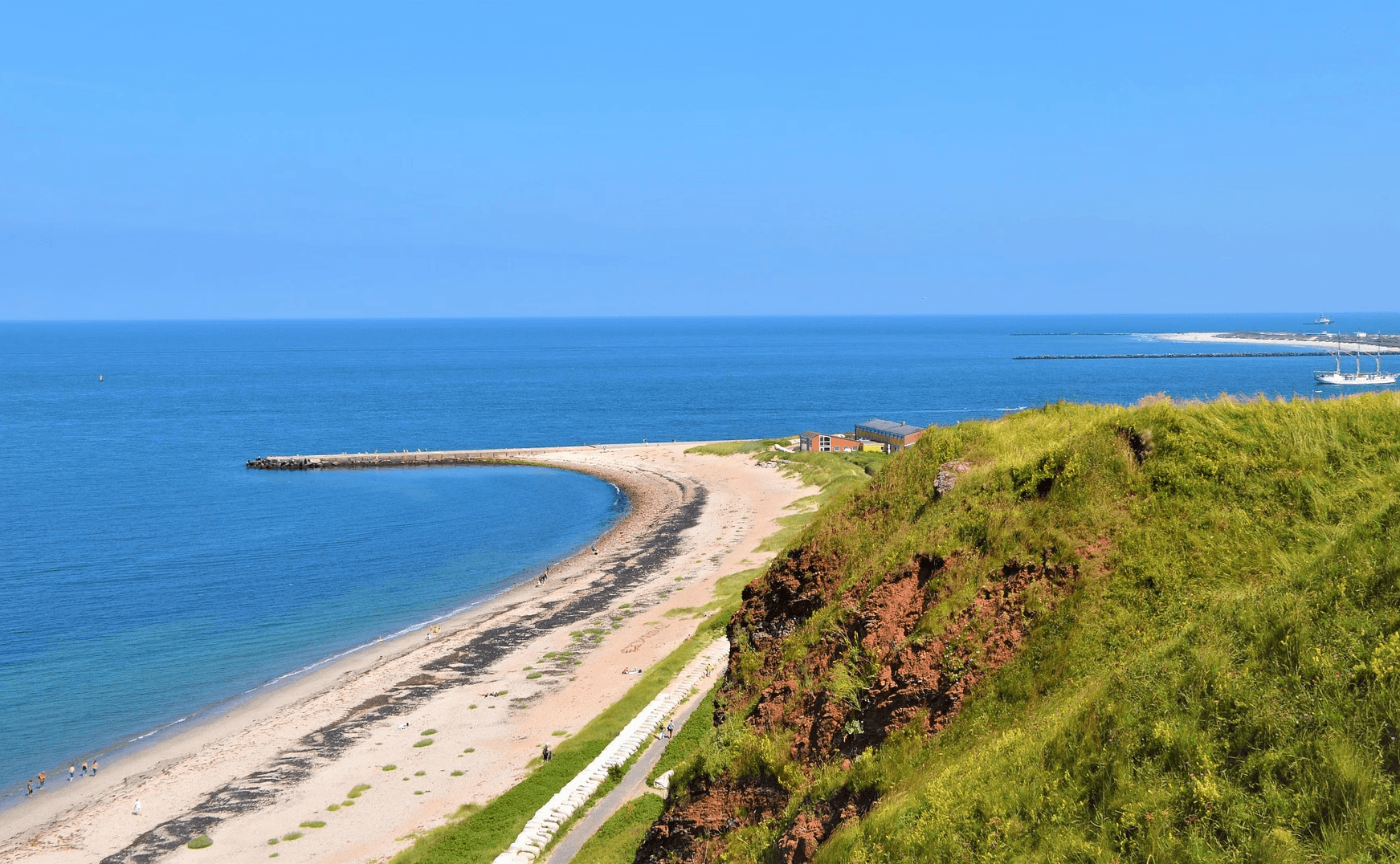
Location matters
We focus on locations where restoration can realistically succeed. For this, we assess:
Historical reef presence
Adequate water quality
Sendiments & hydrodynamics
Pollution levels & predator pressure
Human activities, such as fishing, shipping or coastal use
Regulatory compliance
This ensures that restored reefs are resilient, compatible with existing uses, and able to deliver long-term benefits.
Sharing the benefits
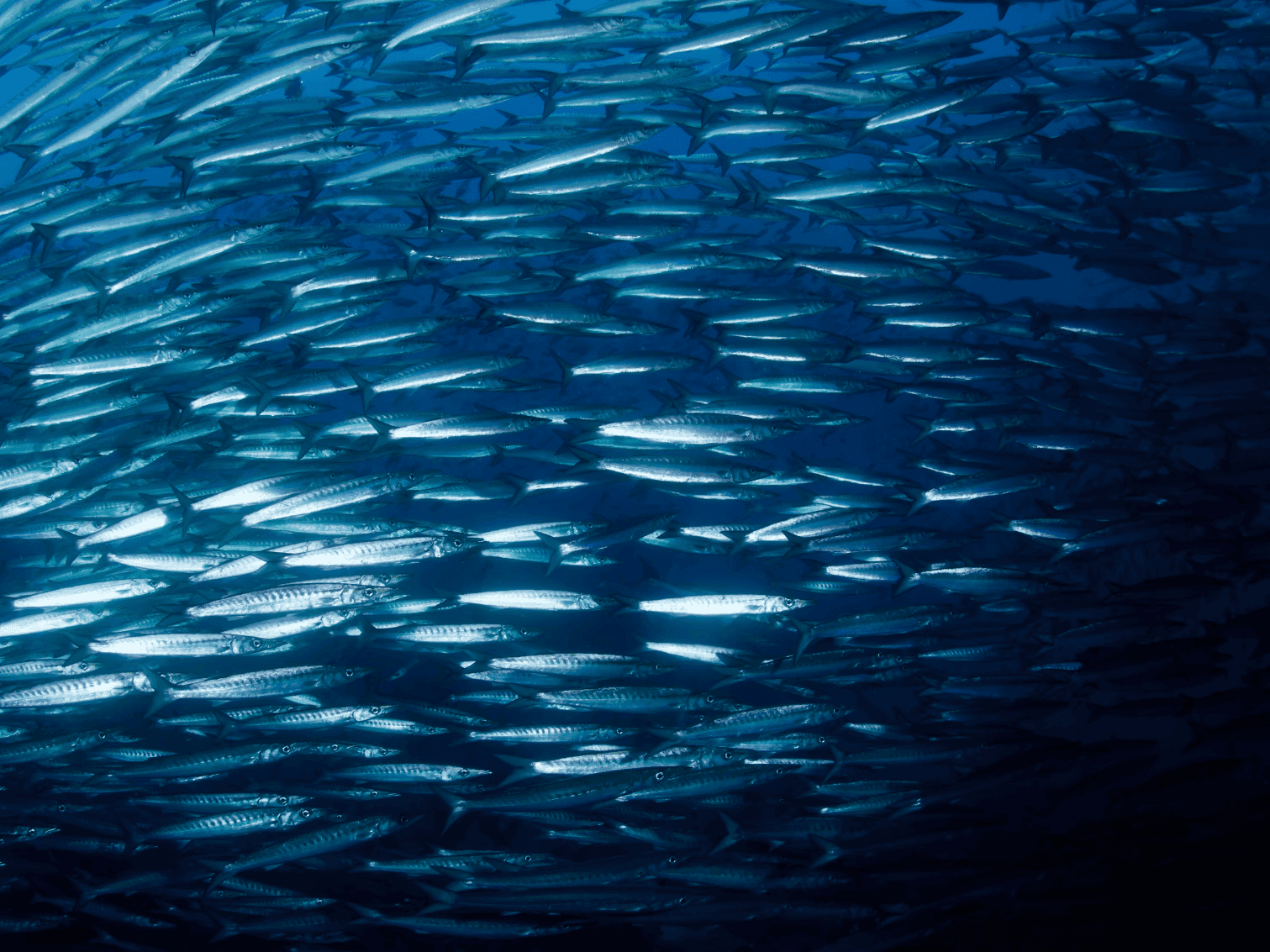
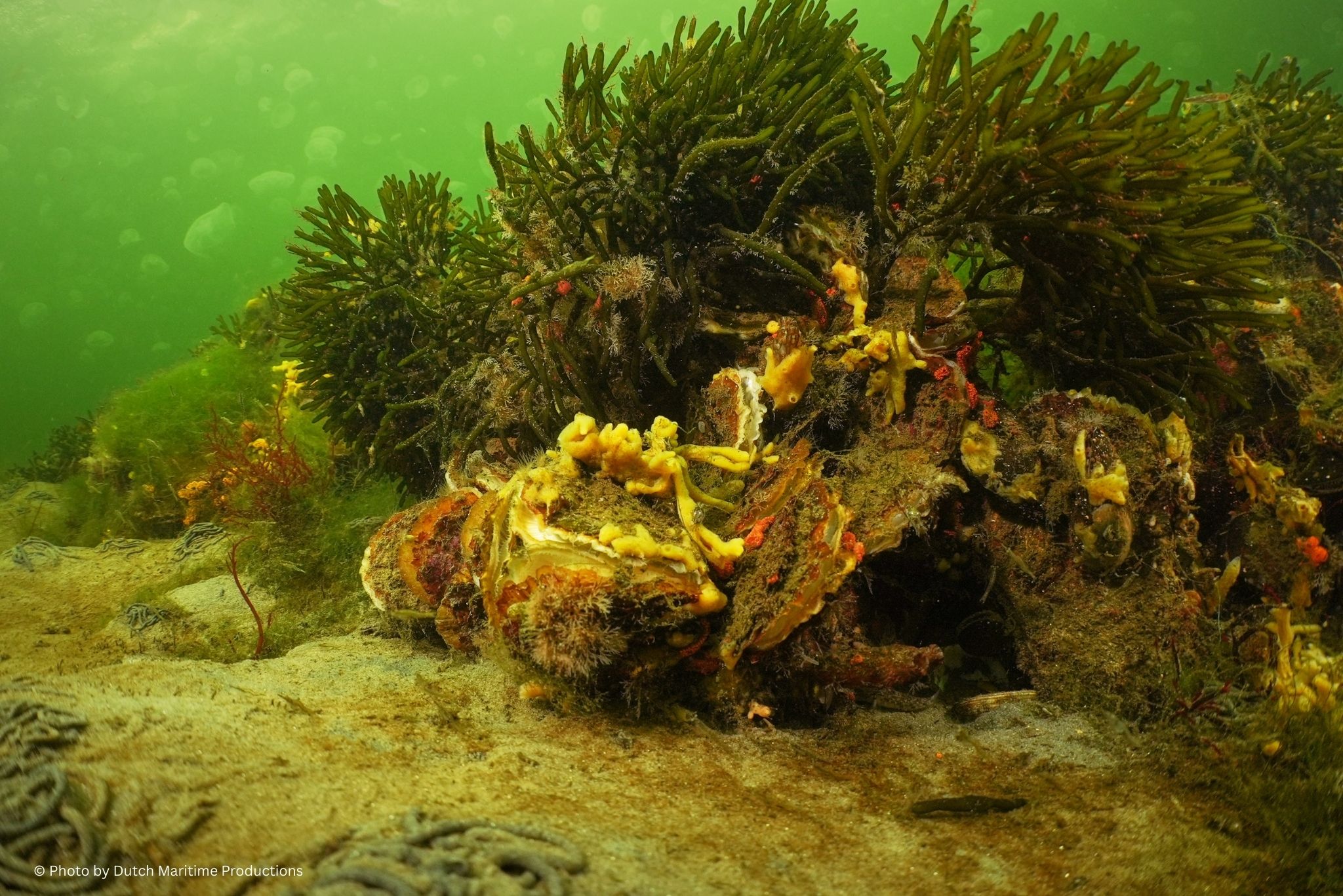
Oyster reefs deliver a wide range of benefits, from biodiversity recovery and fish stock improvement to nutrient management and coastal protection.
For this reason, we often aim to bring together consortia of partners, such as municipalities, ports, industry, utilities, and conservation organisations, allowing multiple stakeholders to benefit from the same reef system. This shared-value approach improves project viability and long-term support.
Step-by-step project workflow
01
Feasibility study
Each project starts with a feasibility study.
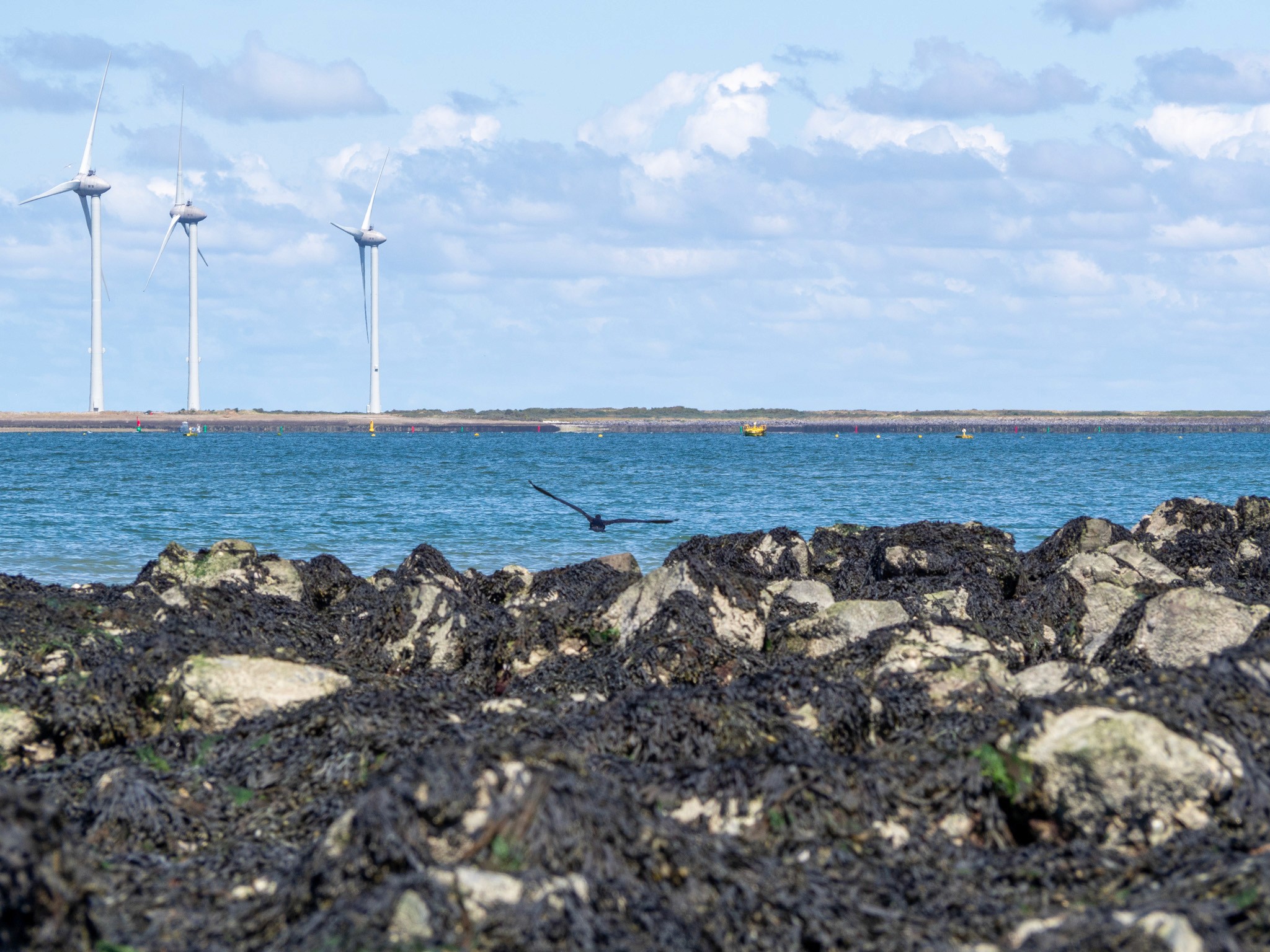
We assess whether an oyster reef can realistically deliver the desired outcomes at a specific location. This includes evaluating ecological potential, estimating performance improvements, and exploring design options.
Where needed, we collaborate with external experts to ensure robust, science-based conclusions.
02
Detailed design and licencing
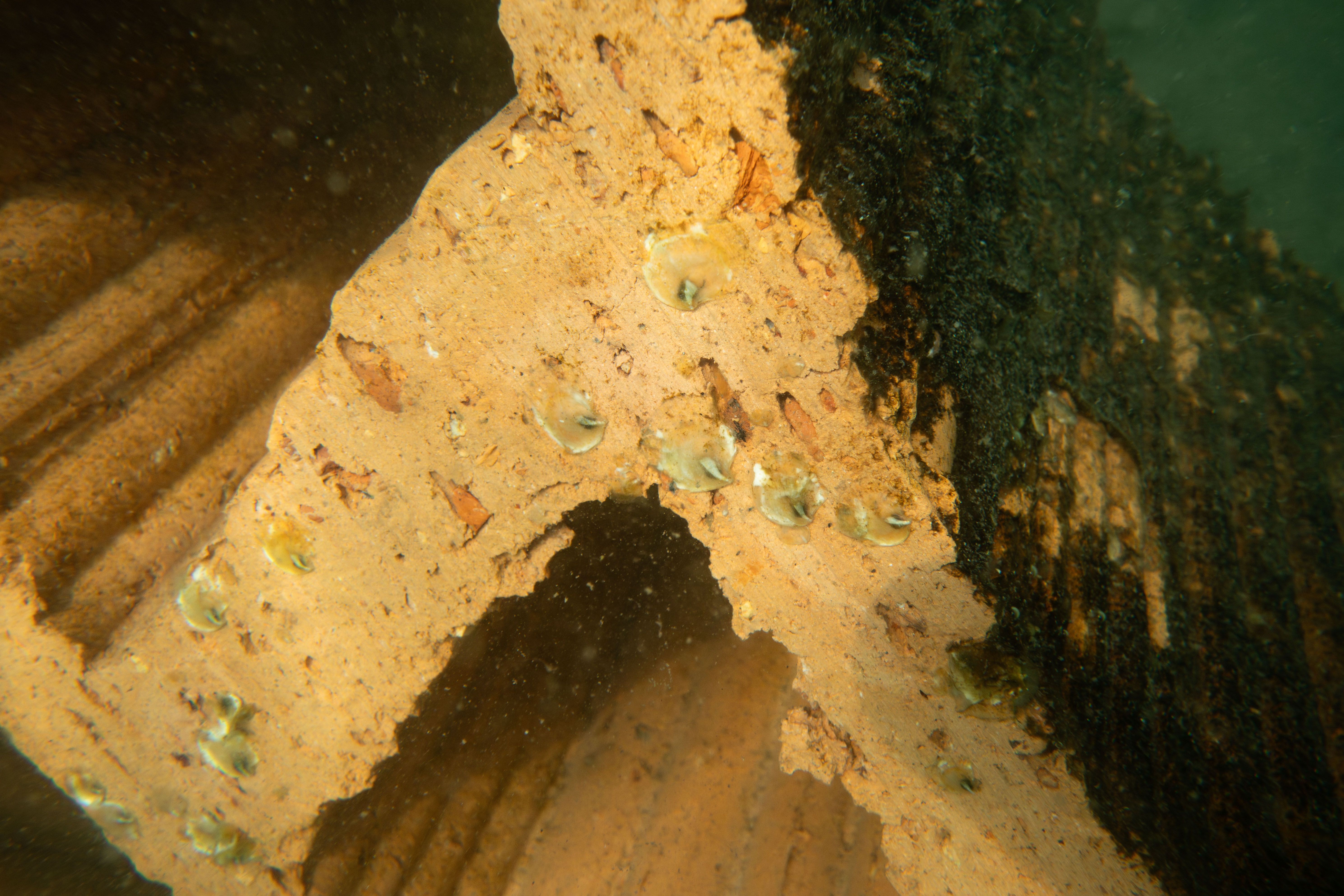
Following a positive feasibility outcome, we develop a detailed project design. This includes substrate selection, reef layout, deployment methods, and strict alignment with licensing and local regulatory requirements.
03
Pilot
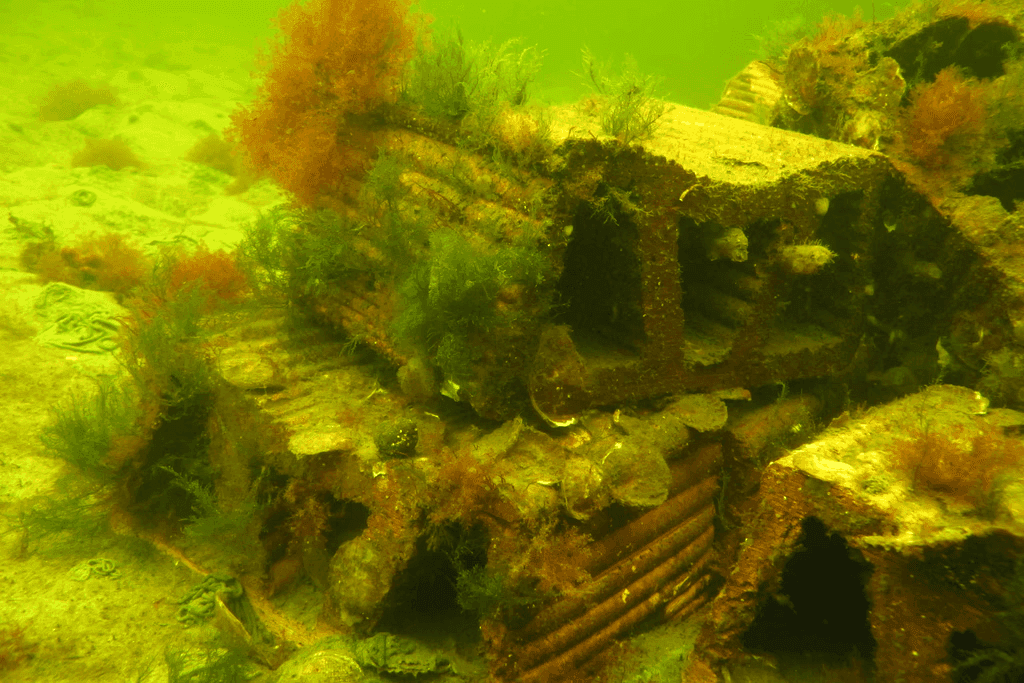
Before scaling up, we typically implement a pilot project to reduce uncertainty regarding the final project design. This allows us to test designs under real conditions, closely monitor reef development, and refine methods if needed.
04
Project implementation
Once pilot outcomes are evaluated, full project implementation begins. Depending on project scope, deployment may take place over multiple seasons to align with environmental conditions, logistics, and partner requirements.

05
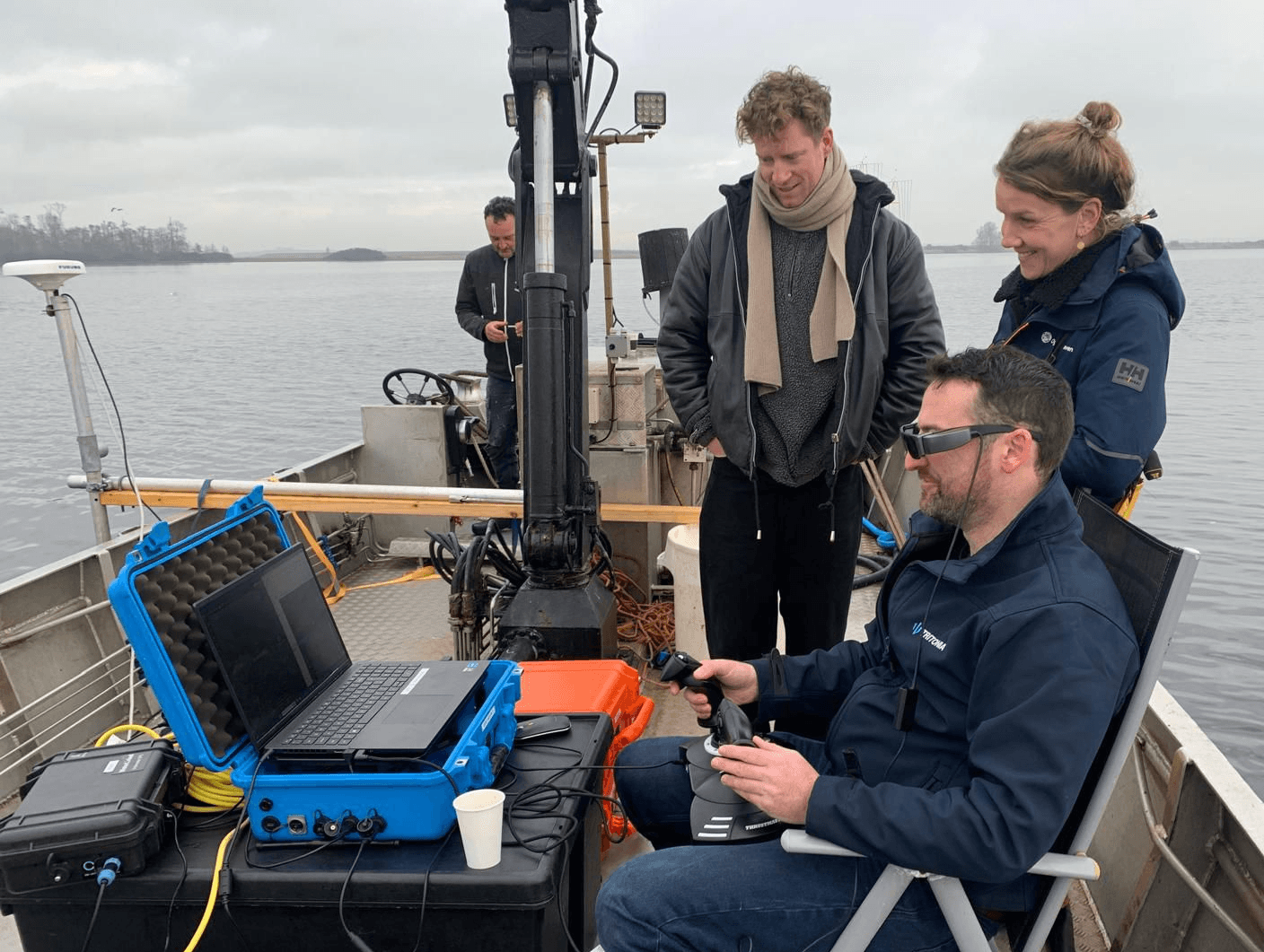
Monitoring and reporting
Our work continues well beyond deployment. Projects include multi-year monitoring programmes, verified by third parties where required. Using a combination of field surveys, environmental measurements, and digital tools, we track ecological performance and provide transparent reporting tailored to our partners’ requests.