
Science & Research
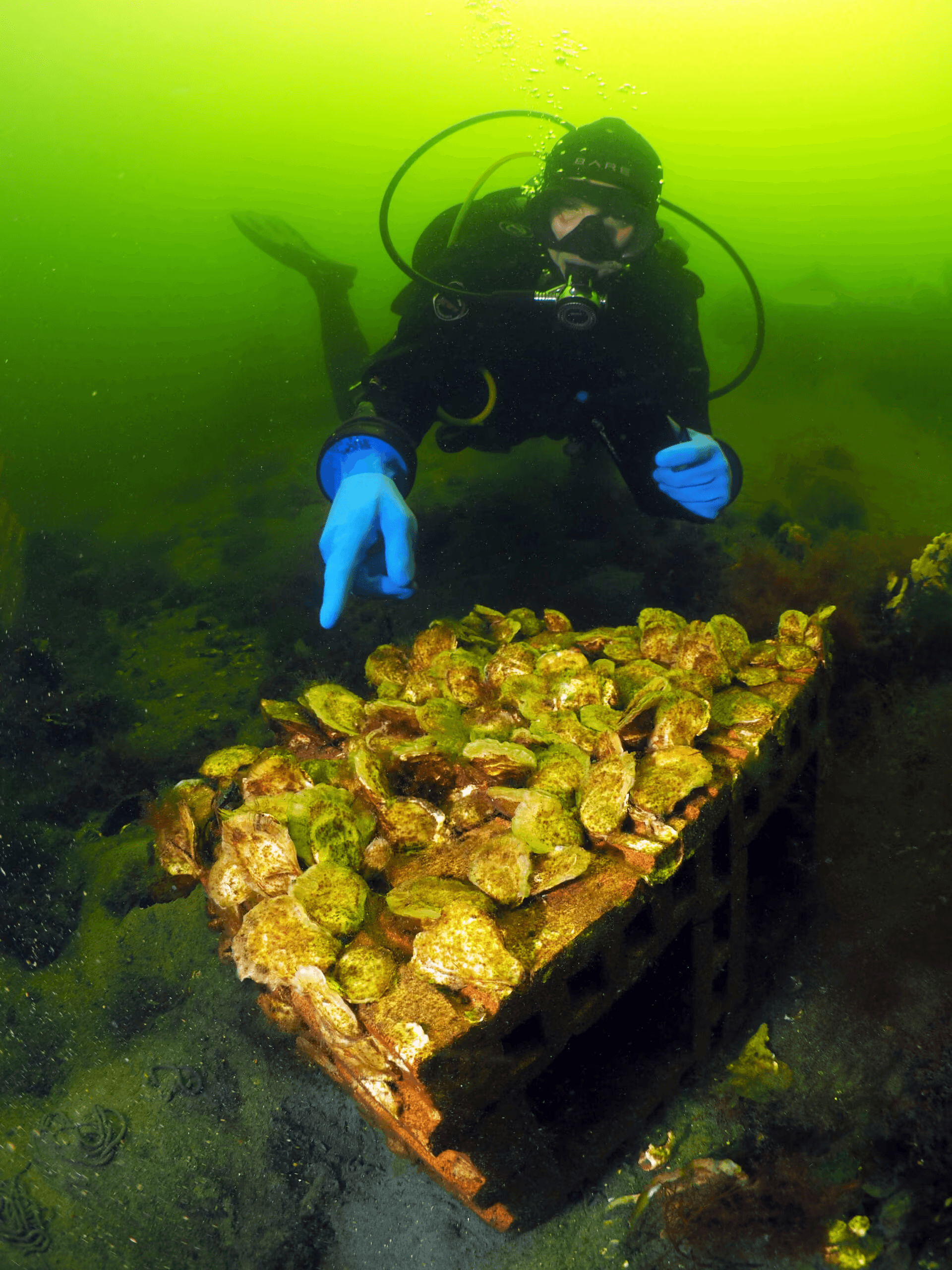
Our work is grounded in science, with a clear focus on making oyster restoration more effective at scale.
We build on existing research, using data analysis and literature review to identify what works, where gaps remain, and how restoration outcomes can be improved.
Working closely with universities, research institutes, and technical partners, we translate scientific insight into practical methods for oyster reef restoration.
Collaborating institutions
Collaborating institutions
We are very grateful and proud to be working on our research with the following institutions
We are very grateful and proud to be working on our research with the following institutions






Research and Reports
Report
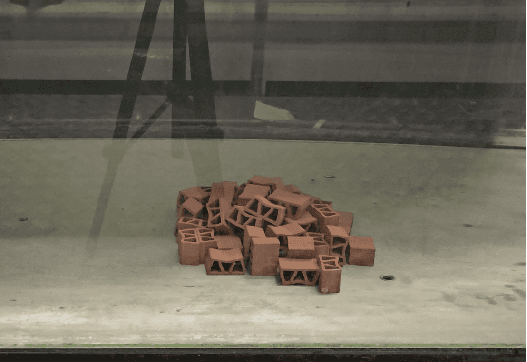
Hydraulic modelling of Mother Reef bricks under current action at the University of Southampton
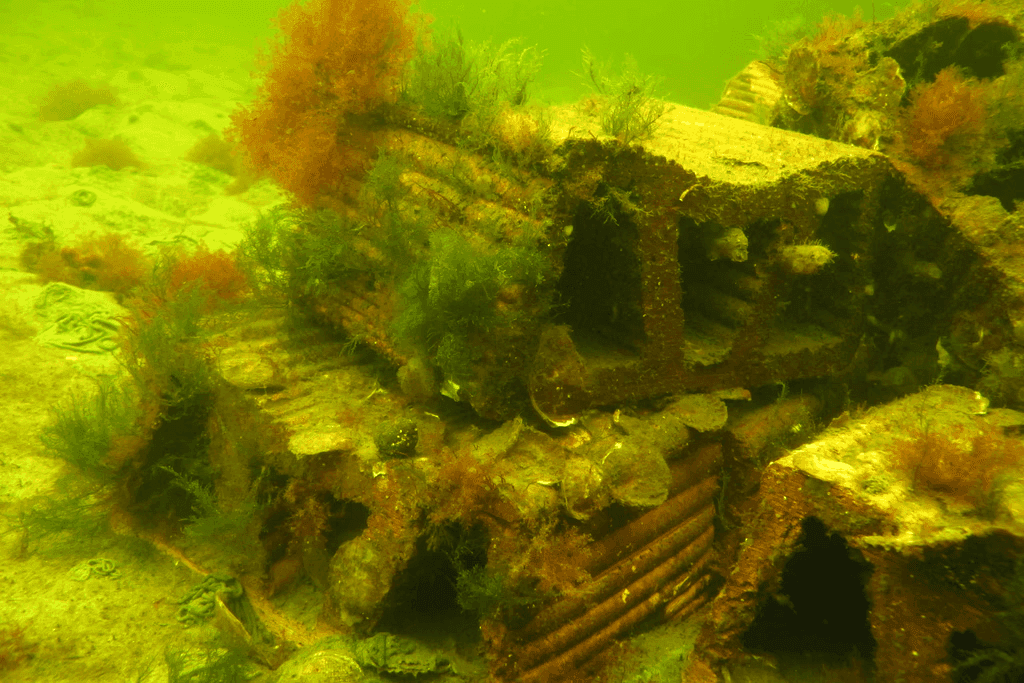
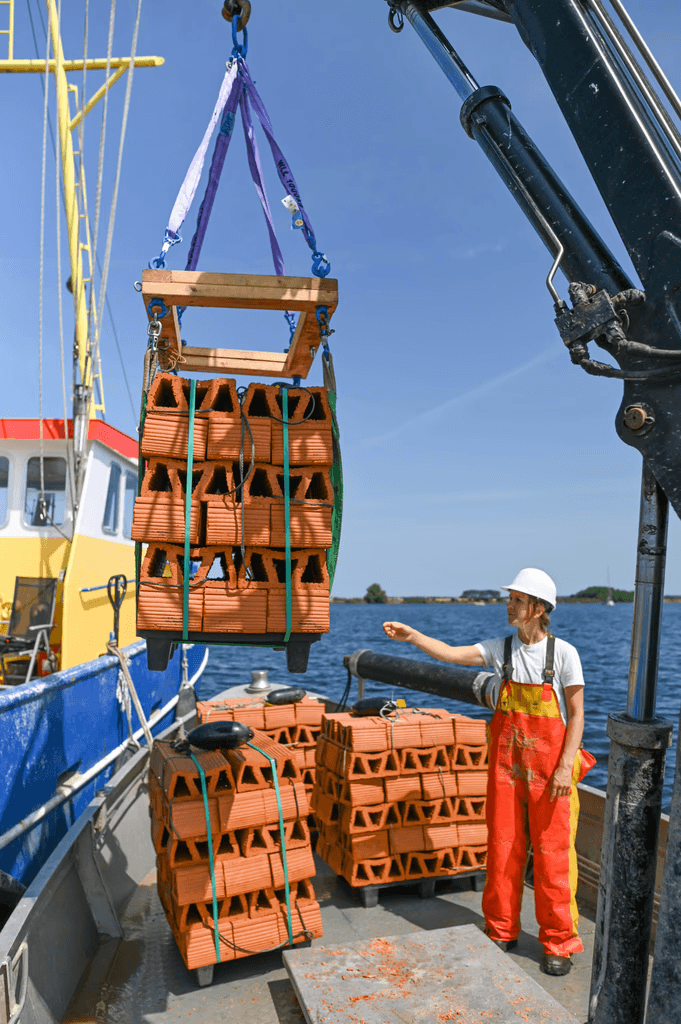
Study tests artificial oyster reef design under simulated waves, showing stable performance across hydrological conditions expected at project sites.
Report
Hydraulic modelling of Mother Reef bricks under current action at the University of Southampton
Study tests artificial oyster reef design under simulated waves, showing stable performance across hydrological conditions expected at project sites.
Research Paper
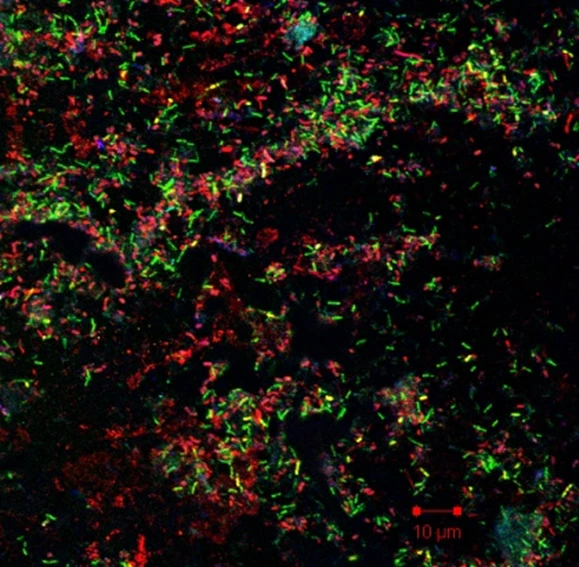
Characterisation of the bacteria and archaea community associated with wild oysters, at three possible restoration sites in the North Sea
The study establishes baseline of oyster-associated microbial communities, revealing site-specific microbiome shifts influenced by oysters, substrates, and environmental conditions.
Research Paper
Characterisation of the bacteria and archaea community associated with wild oysters, at three possible restoration sites in the North Sea
The study establishes baseline of oyster-associated microbial communities, revealing site-specific microbiome shifts influenced by oysters, substrates, and environmental conditions.
Research Paper
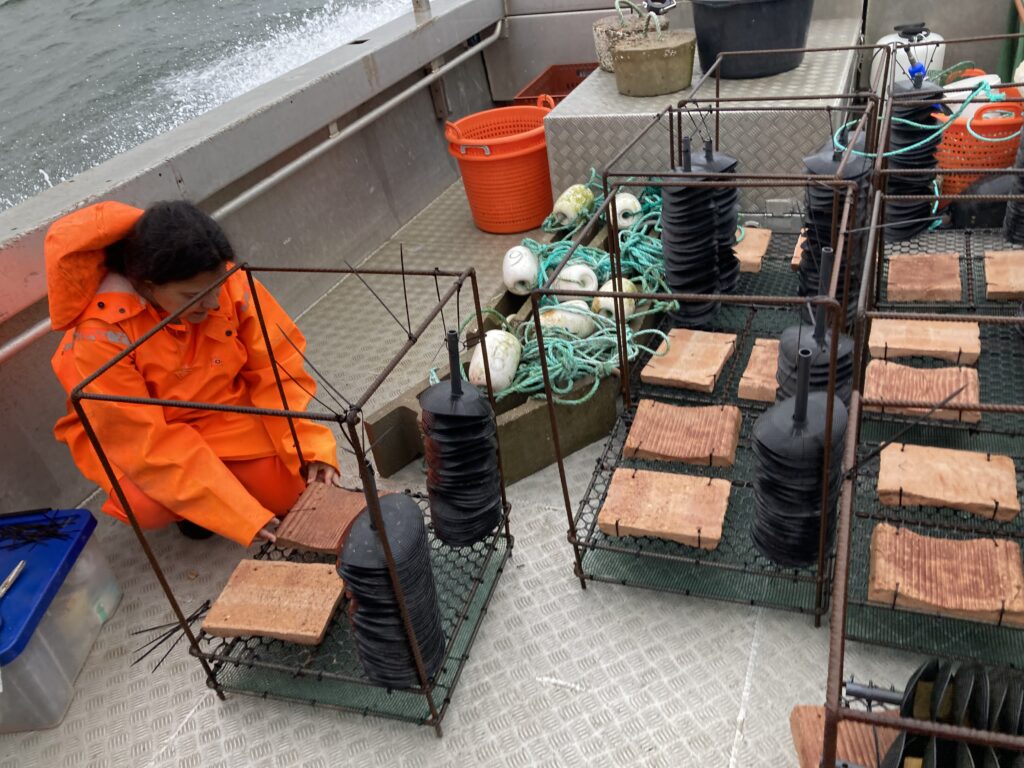
Assessing the potential of innovative clay designs for enhancing oyster reef restoration
Assessing clay substrates for European flat oyster restoration, demonstrating potential as sustainable, cost-effective solutions for large-scale reef recovery efforts.
Research Paper
Assessing the potential of innovative clay designs for enhancing oyster reef restoration
Assessing clay substrates for European flat oyster restoration, demonstrating potential as sustainable, cost-effective solutions for large-scale reef recovery efforts.
Research and Reports
Report
Hydraulic modelling of Mother Reef bricks under current action at the University of Southampton
Study tests artificial oyster reef design under simulated waves, showing stable performance across hydrological conditions expected at project sites.
Research Paper
Characterisation of the bacteria and archaea community associated with wild oysters, at three possible restoration sites in the North Sea
The study establishes baseline of oyster-associated microbial communities, revealing site-specific microbiome shifts influenced by oysters, substrates, and environmental conditions.
Research Paper
Assessing the potential of innovative clay designs for enhancing oyster reef restoration
Assessing clay substrates for European flat oyster restoration, demonstrating potential as sustainable, cost-effective solutions for large-scale reef recovery efforts.
Research Projects
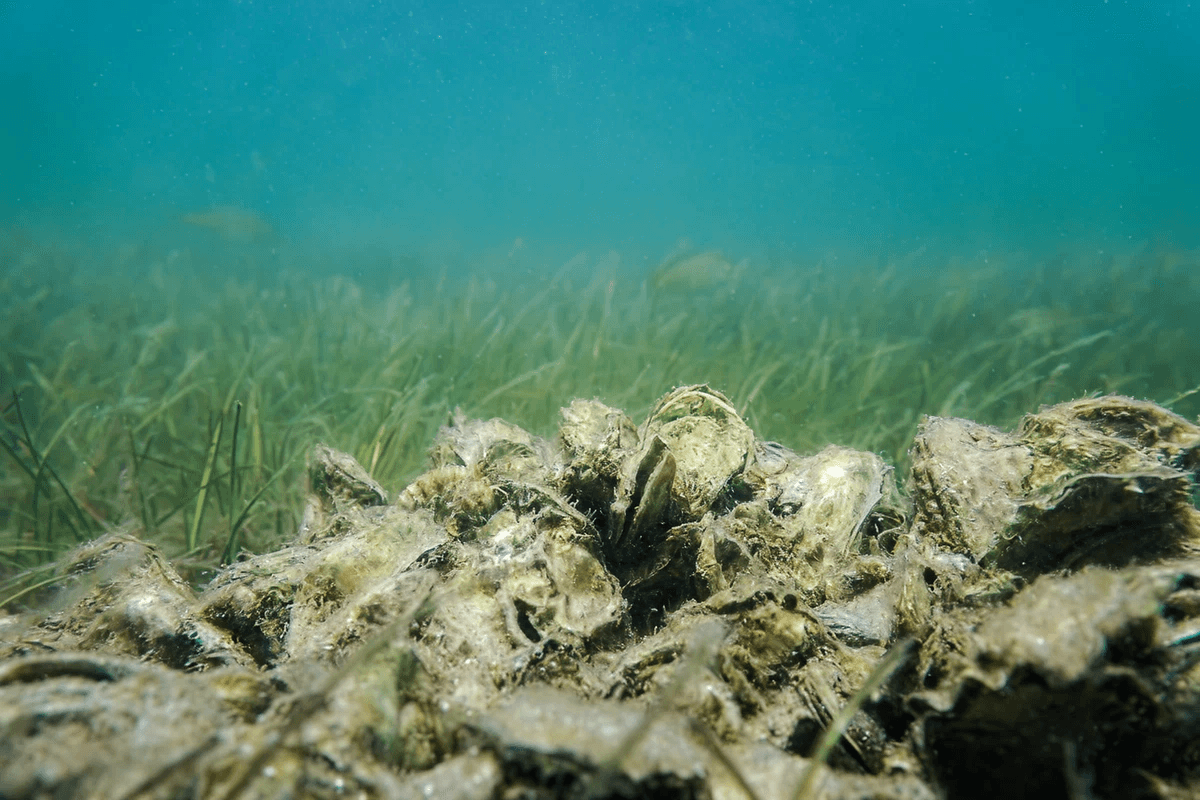
Monitoring oyster reef development and benthic community dynamics
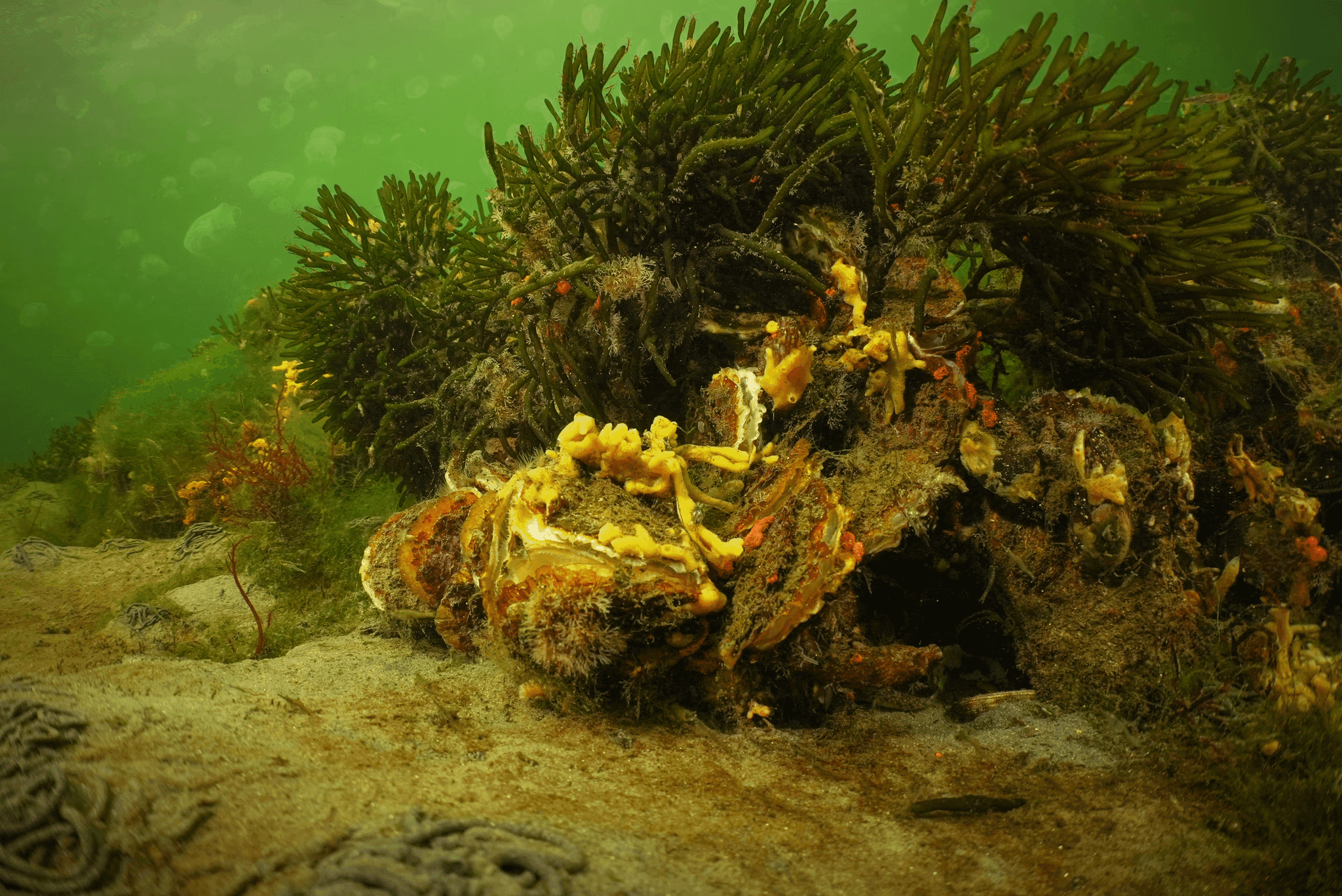
Testing oyster reef performance in different marine environments by tracking growth, survival, and species colonisation over time. This research monitors pre-spatted reefs across multiple sites assessing reef development, including mortality, density, and the presence of benthic and invasive species. Using eDNA, taxonomy, and sediment analysis, it evaluates how reef deployment influences benthic communities compared to baseline and control conditions.
Monitoring oyster reef development and benthic community dynamics
Testing oyster reef performance in different marine environments by tracking growth, survival, and species colonisation over time. This research monitors pre-spatted reefs across multiple sites assessing reef development, including mortality, density, and the presence of benthic and invasive species. Using eDNA, taxonomy, and sediment analysis, it evaluates how reef deployment influences benthic communities compared to baseline and control conditions.
Assessing filtration capacity and nutrient cycling of European native oysters
Investigating how oyster reefs influence nutrient dynamics through filtration, microbial activity, and nitrogen removal, supporting their role as nature-based solutions to coastal nutrient pollution. This research examines sediment sequestration, microbial community structure, and denitrification processes by combining fieldwork with microbiological and molecular approaches to quantify how reefs remove excess nitrogen and improve water quality.
Assessing filtration capacity and nutrient cycling of European native oysters
Investigating how oyster reefs influence nutrient dynamics through filtration, microbial activity, and nitrogen removal, supporting their role as nature-based solutions to coastal nutrient pollution. This research examines sediment sequestration, microbial community structure, and denitrification processes by combining fieldwork with microbiological and molecular approaches to quantify how reefs remove excess nitrogen and improve water quality.
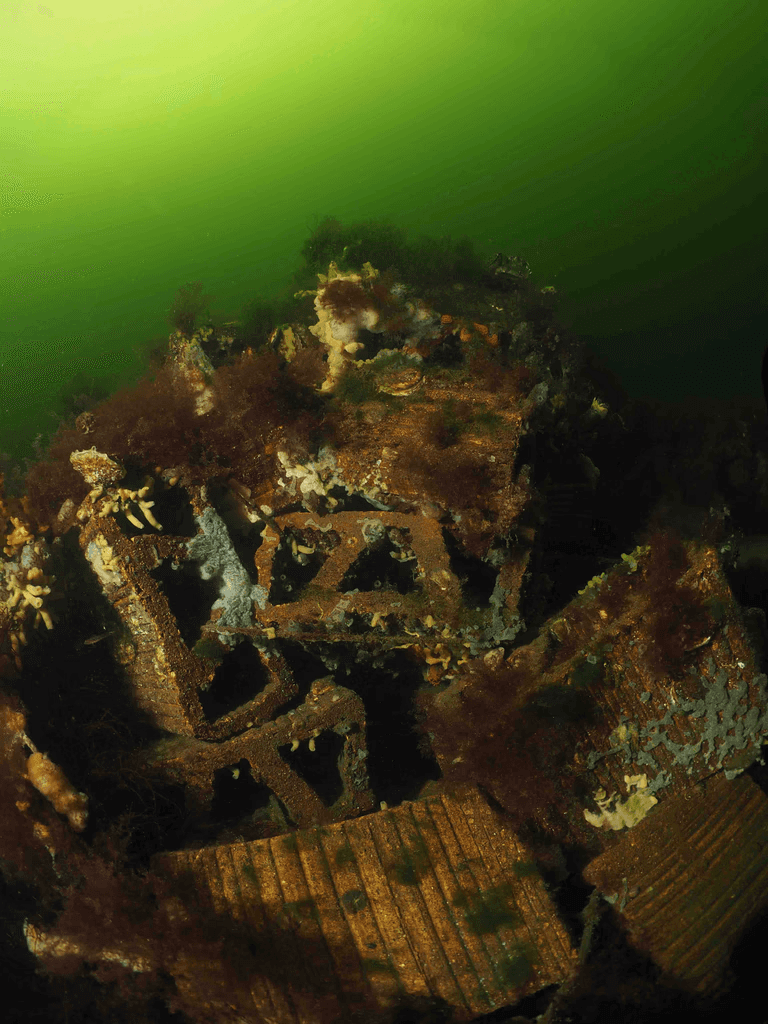
Analysing microbial communities on oyster reefs and exploring diverse settlement methods
Building on a long-established partnership in Denmark, we have conducted multiple studies on microbial communities and the role of native biofilms in larval settlement. Our research includes microbial community analyses in seawater and site swabs to understand ecosystem dynamics. In a separate study, we assessed how native biofilms affect oyster larval settlement, comparing spat collectors, standard bricks, and Oyster Heaven substrates to optimize recruitment and reef restoration.
Analysing microbial communities on oyster reefs and exploring diverse settlement methods
Building on a long-established partnership in Denmark, we have conducted multiple studies on microbial communities and the role of native biofilms in larval settlement. Our research includes microbial community analyses in seawater and site swabs to understand ecosystem dynamics. In a separate study, we assessed how native biofilms affect oyster larval settlement, comparing spat collectors, standard bricks, and Oyster Heaven substrates to optimize recruitment and reef restoration.
Read more about Oyster Heaven
Sign up to our newsletter
A quick and fun read about project updates and the value we're creating! No spam guaranteed.

E-mail: info@oysterheaven.com
Copyright © 2026 Oyster Heaven. All rights reserved.
KVK Number: 83491201
Made by
Concealed
Sign up to
our newsletter
A quick and fun read about project updates and the value we're creating! No spam guaranteed.
E-mail: info@oysterheaven.com
Copyright © 2026 Oyster Heaven. All rights reserved.
KVK Number: 83491201
Made by
Concealed
Sign up to our newsletter
A quick and fun read about project updates and the value we're creating! No spam guaranteed.

E-mail: info@oysterheaven.com
Copyright © 2026 Oyster Heaven. All rights reserved.
KVK Number: 83491201
Made by
Concealed