Full scale projects
Project Luna
With 4 million juvenile oysters, Project Luna is set to become the largest oyster reef restoration initiative in the UK.

Project Luna is Oyster Heaven’s first project in the United Kingdom. The UK’s developing blue natural capital markets, alongside policy frameworks such as Biodiversity Net Gain and nutrient neutrality, provide a strong context for mapping and valuing the ecosystem services generated by oyster reefs. The project aims to restore native oyster populations by establishing two reef strips across 5 hectares of seabed, supporting biodiversity and strengthening ecosystem resilience.
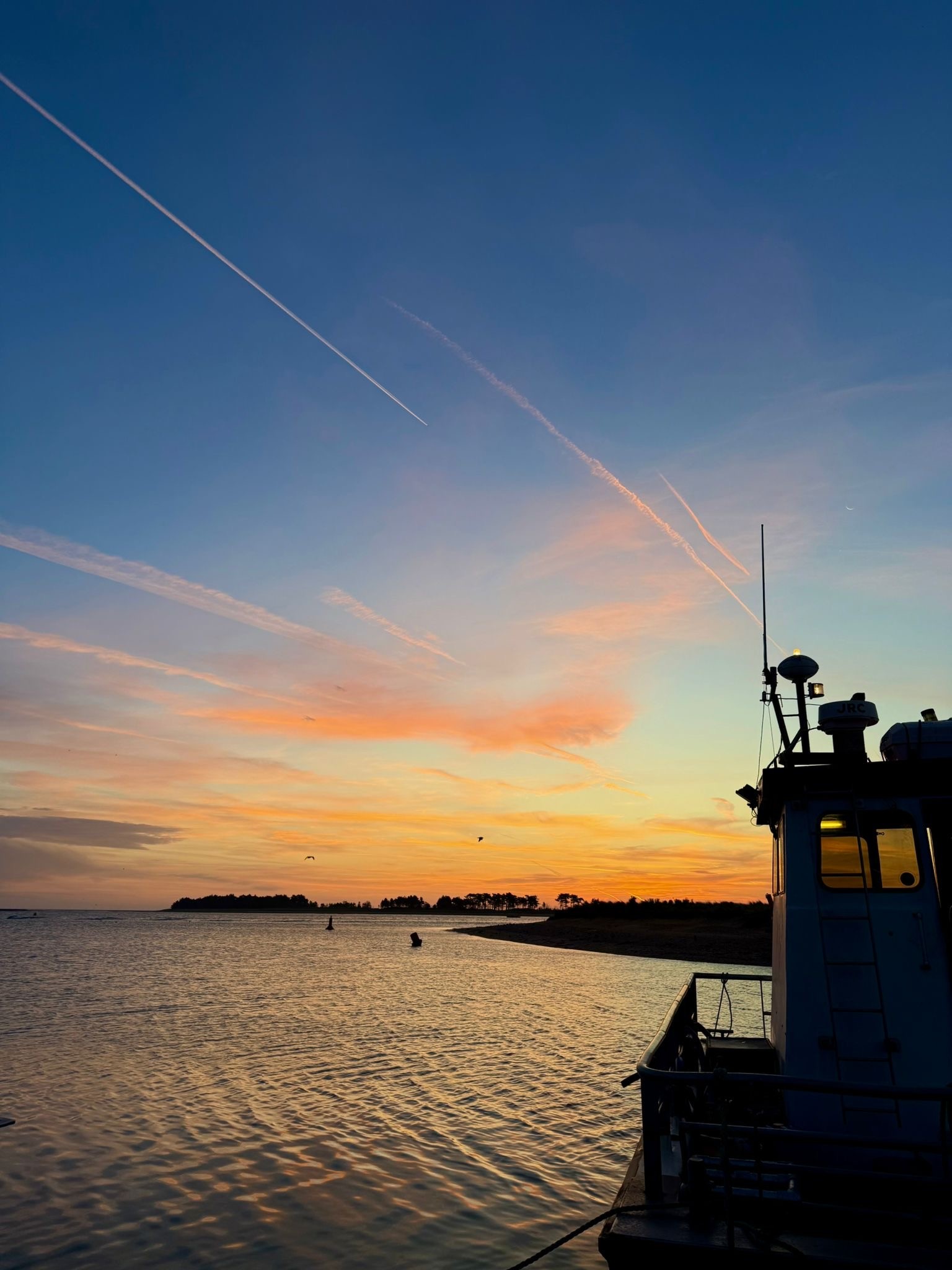
Project Luna is located in The Wash, off the coast of North Norfolk, an estuary with high ecological value and a historic presence of native oyster beds. Today, the species is functionally absent, making it a strong candidate for large-scale restoration. Operations are based in Wells-next-the-Sea, a coastal town with a long fishing tradition, with reef deployment taking place approximately 5 kilometres offshore in collaboration with local partner Norfolk Seaweed.
Project Luna is located in The Wash, off the coast of North Norfolk, an estuary with high ecological value and a historic presence of native oyster beds. Today, the species is functionally absent, making it a strong candidate for large-scale restoration. Operations are based in Wells-next-the-Sea, a coastal town with a long fishing tradition, with reef deployment taking place approximately 5 kilometres offshore in collaboration with local partner Norfolk Seaweed.
Project Luna is located in The Wash, off the coast of North Norfolk, an estuary with high ecological value and a historic presence of native oyster beds. Today, the species is functionally absent, making it a strong candidate for large-scale restoration. Operations are based in Wells-next-the-Sea, a coastal town with a long fishing tradition, with reef deployment taking place approximately 5 kilometres offshore in collaboration with local partner Norfolk Seaweed.
Following feasibility studies and initial settlement trials in 2024, early test installations confirmed strong growth and survival of native oysters under local conditions. In 2025, project infrastructure was established in Norfolk, including the adaptation of settlement and nursery systems for local production. After securing the project licence in autumn 2025, a full ecological baseline assessment was completed, followed by the first deployment trials marking the start of reef installation. From 2026 onwards, operations will scale up, with the deployment of a minimum of 4 million native European oysters expected to be completed by the end of 2027.
Environmental and social significance
Project Luna restores oyster habitat in a high-value estuarine ecosystem where the species is currently absent, contributing to increased biodiversity and improved ecosystem functioning.
Located in a region with strong maritime heritage, the project also supports local collaboration and knowledge exchange through partners such as Norfolk Seaweed. At the same time, it contributes to the UK’s developing blue natural capital markets, aligning with policy frameworks such as Biodiversity Net Gain and nutrient neutrality.
Through long-term monitoring, the project will assess not only ecological impact but also the economic value of oyster reef habitats within this evolving regulatory landscape.
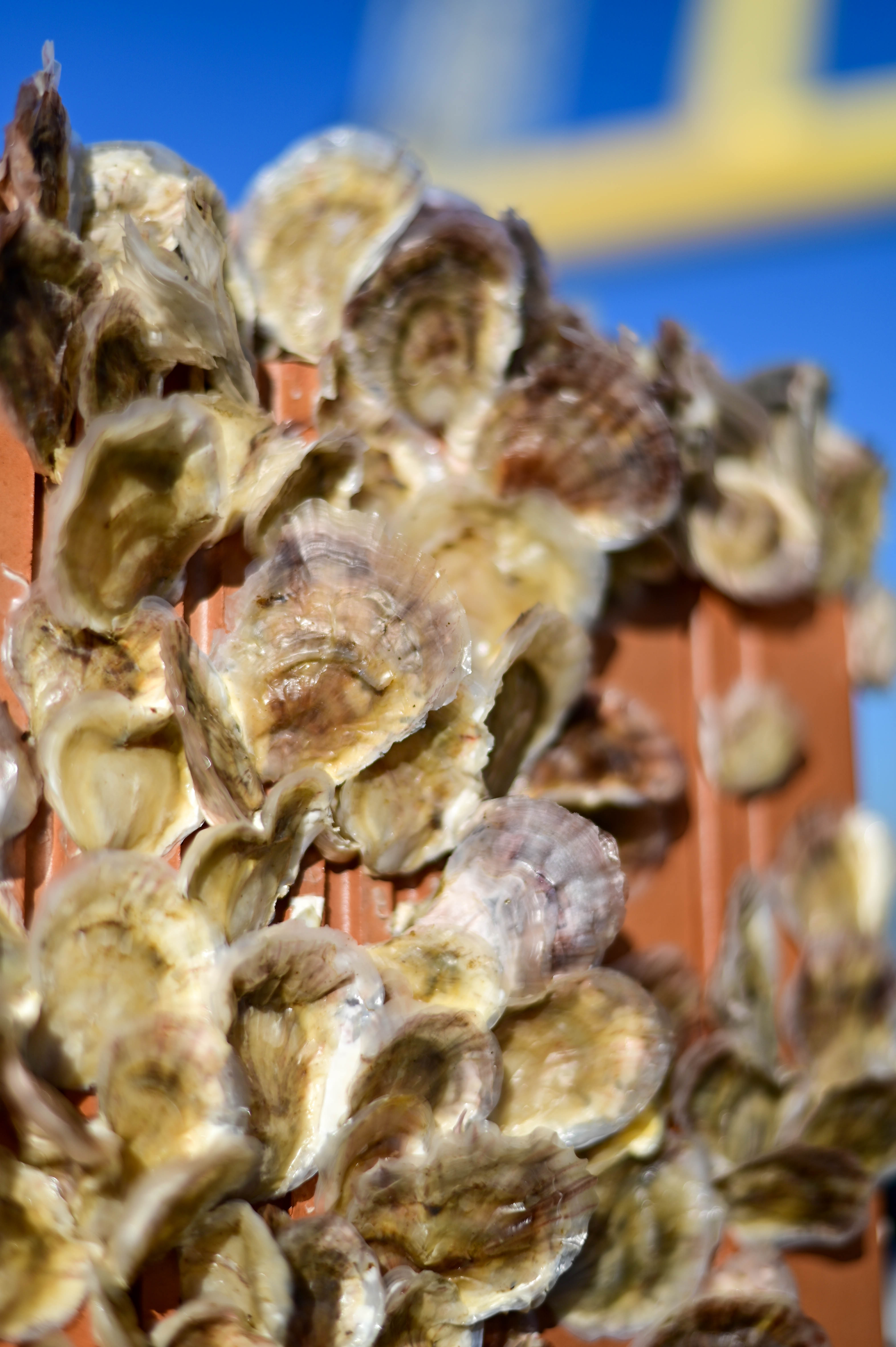
Biodiversity recovery
Long-term monitoring will track oyster population development, reef formation, and biodiversity changes on and around the reefs. It will also evaluate the ecosystem services generated, supporting the integration of oyster reef restoration into natural capital frameworks.
Environmental and social significance
Project Luna restores oyster habitat in a high-value estuarine ecosystem where the species is currently absent, contributing to increased biodiversity and improved ecosystem functioning.
Located in a region with strong maritime heritage, the project also supports local collaboration and knowledge exchange through partners such as Norfolk Seaweed. At the same time, it contributes to the UK’s developing blue natural capital markets, aligning with policy frameworks such as Biodiversity Net Gain and nutrient neutrality.
Through long-term monitoring, the project will assess not only ecological impact but also the economic value of oyster reef habitats within this evolving regulatory landscape.
Biodiversity recovery
Long-term monitoring will track oyster population development, reef formation, and biodiversity changes on and around the reefs. It will also evaluate the ecosystem services generated, supporting the integration of oyster reef restoration into natural capital frameworks.
Environmental and social significance
Project Luna restores oyster habitat in a high-value estuarine ecosystem where the species is currently absent, contributing to increased biodiversity and improved ecosystem functioning.
Located in a region with strong maritime heritage, the project also supports local collaboration and knowledge exchange through partners such as Norfolk Seaweed. At the same time, it contributes to the UK’s developing blue natural capital markets, aligning with policy frameworks such as Biodiversity Net Gain and nutrient neutrality.
Through long-term monitoring, the project will assess not only ecological impact but also the economic value of oyster reef habitats within this evolving regulatory landscape.
Biodiversity recovery
Long-term monitoring will track oyster population development, reef formation, and biodiversity changes on and around the reefs. It will also evaluate the ecosystem services generated, supporting the integration of oyster reef restoration into natural capital frameworks.
Goal
Project Luna aims to establish two strips of native oyster reef in an area of 5ha to support oyster population recovery and increase biodiversity in The Wash.
With native oysters currently functionally absent from the area, the project provides a case study into population development, biodiversity enhancement, recruitment potential, and natural spread.
Structured annual and seasonal monitoring will assess reef formation and map the associated ecosystem benefits.
Goal
Project Luna aims to establish two strips of native oyster reef in an area of 5ha to support oyster population recovery and increase biodiversity in The Wash.
With native oysters currently functionally absent from the area, the project provides a case study into population development, biodiversity enhancement, recruitment potential, and natural spread.
Structured annual and seasonal monitoring will assess reef formation and map the associated ecosystem benefits.
Goal
Project Luna aims to establish two strips of native oyster reef in an area of 5ha to support oyster population recovery and increase biodiversity in The Wash.
With native oysters currently functionally absent from the area, the project provides a case study into population development, biodiversity enhancement, recruitment potential, and natural spread.
Structured annual and seasonal monitoring will assess reef formation and map the associated ecosystem benefits.
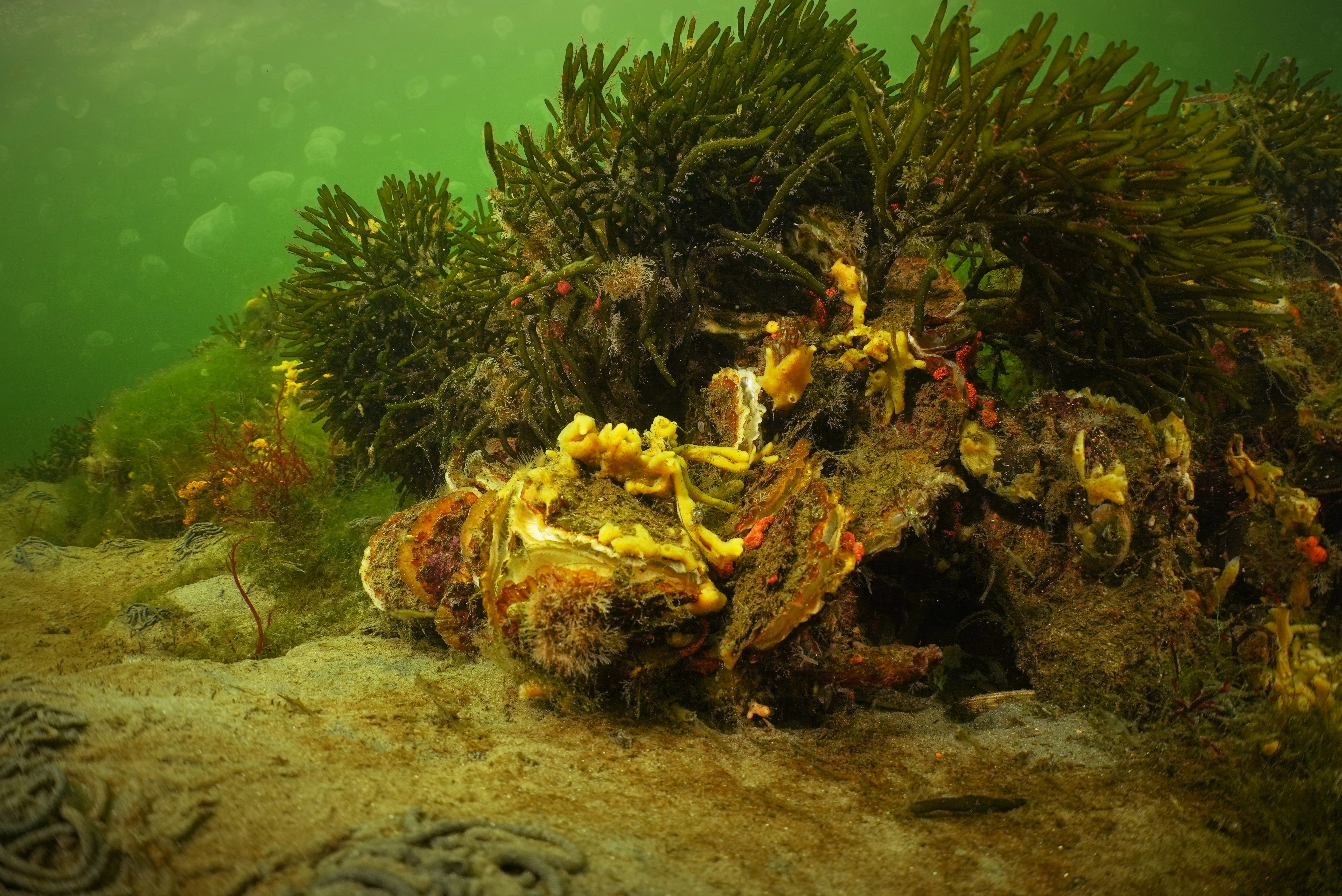
Throughout 2026, installation will continue at the project site, alongside optimisation of logistics and deployment methods to ensure accurate reef configuration. Seasonal and annual monitoring will document early oyster development, initial reef formation, and the transition from juvenile oysters to a structured reef habitat.
Throughout 2026, installation will continue at the project site, alongside optimisation of logistics and deployment methods to ensure accurate reef configuration. Seasonal and annual monitoring will document early oyster development, initial reef formation, and the transition from juvenile oysters to a structured reef habitat.
Throughout 2026, installation will continue at the project site, alongside optimisation of logistics and deployment methods to ensure accurate reef configuration. Seasonal and annual monitoring will document early oyster development, initial reef formation, and the transition from juvenile oysters to a structured reef habitat.
Project Luna in the News




Location
Wells-next-the-Sea, UK
Scope
Deployment of 4 million native oysters
Duration
2025-2035



Project Luna
Wells-next-the-Sea, UK
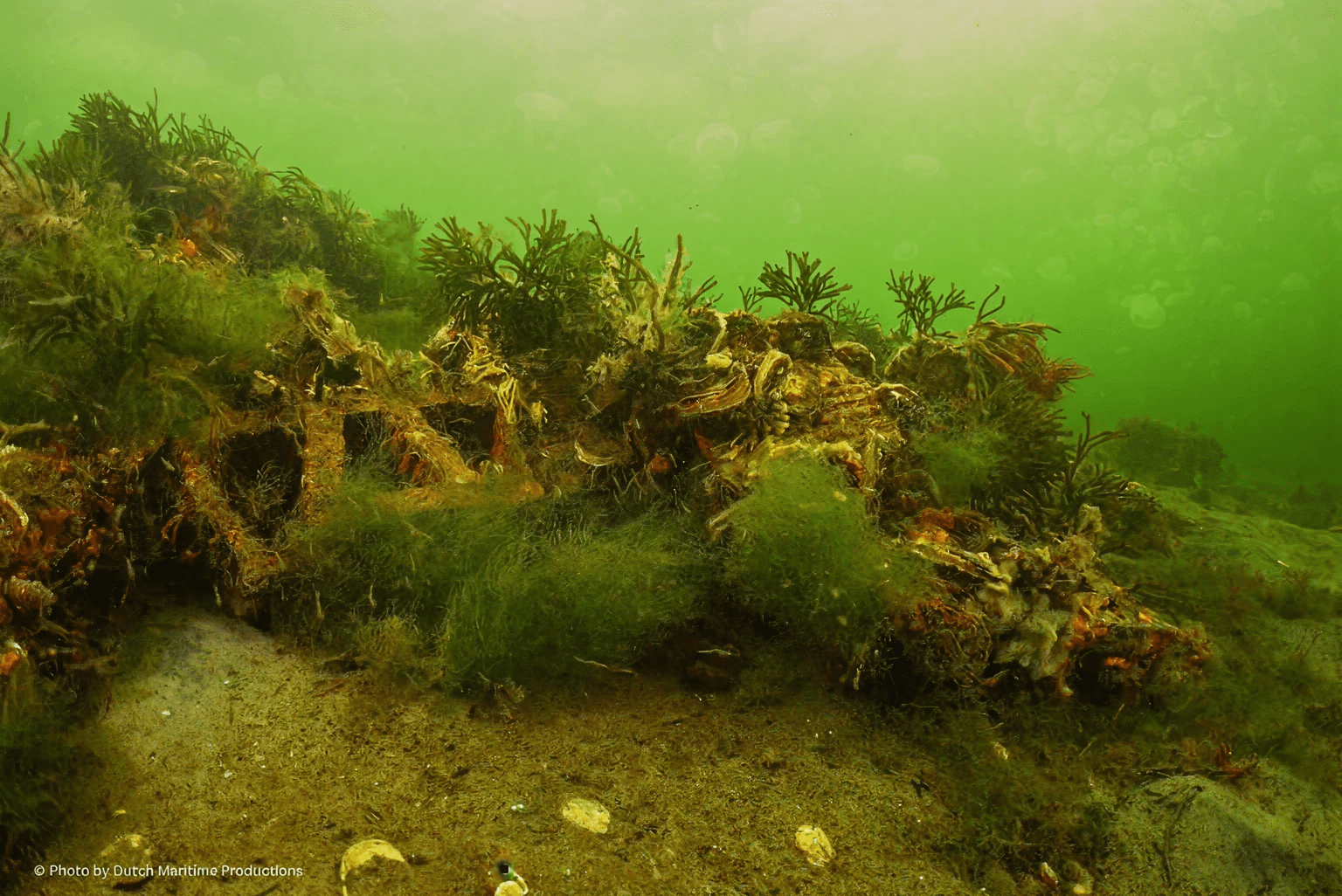
Full scale projects
Project Asta
Veerse Meer, NL
Deployment of minimum of 4 million juvenile native oysters
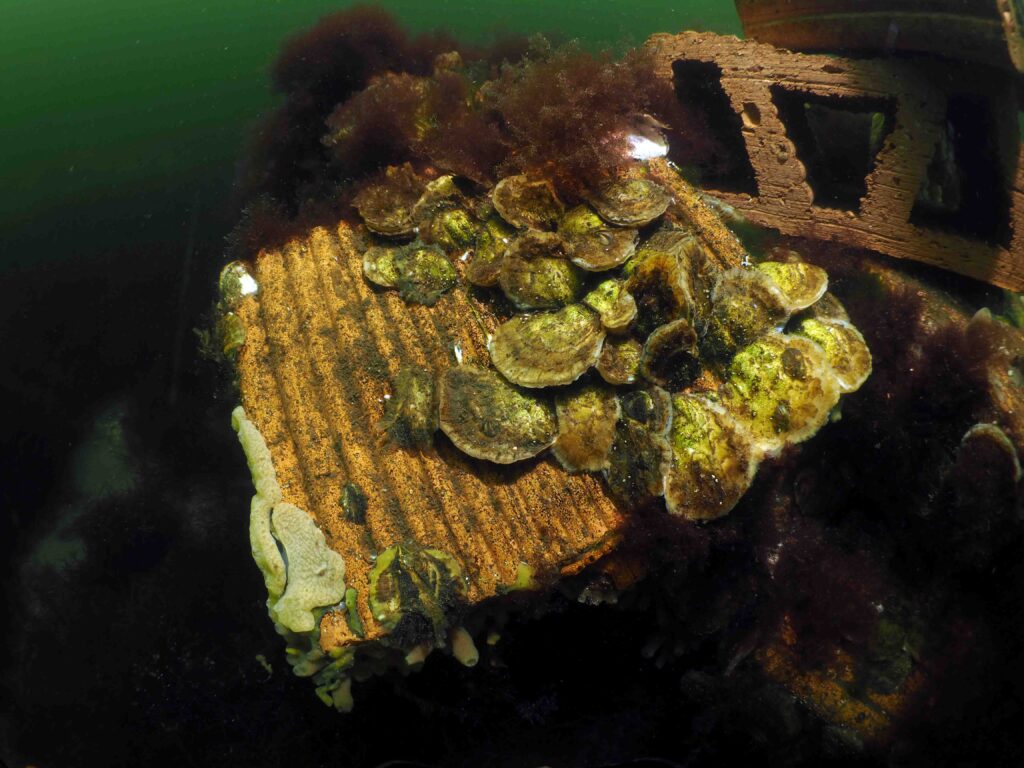
Consultancy
Project Belreefs
30 km from the Belgian coast, BE
Supplying substrates pre-seeded with juvenile native oysters
Full scale projects
Project Asta
Veerse Meer, NL
Deployment of minimum of 4 million juvenile native oysters
Sign up to our newsletter
A quick and fun read about project updates and the value we're creating! No spam guaranteed.
E-mail: info@oysterheaven.com
Copyright © 2026 Oyster Heaven. All rights reserved.
KVK Number: 83491201
Made by
Concealed
Sign up to
our newsletter
A quick and fun read about project updates and the value we're creating! No spam guaranteed.
E-mail: info@oysterheaven.com
Copyright © 2026 Oyster Heaven. All rights reserved.
KVK Number: 83491201
Made by
Concealed
Sign up to our newsletter
A quick and fun read about project updates and the value we're creating! No spam guaranteed.
E-mail: info@oysterheaven.com
Copyright © 2026 Oyster Heaven. All rights reserved.
KVK Number: 83491201
Made by
Concealed